
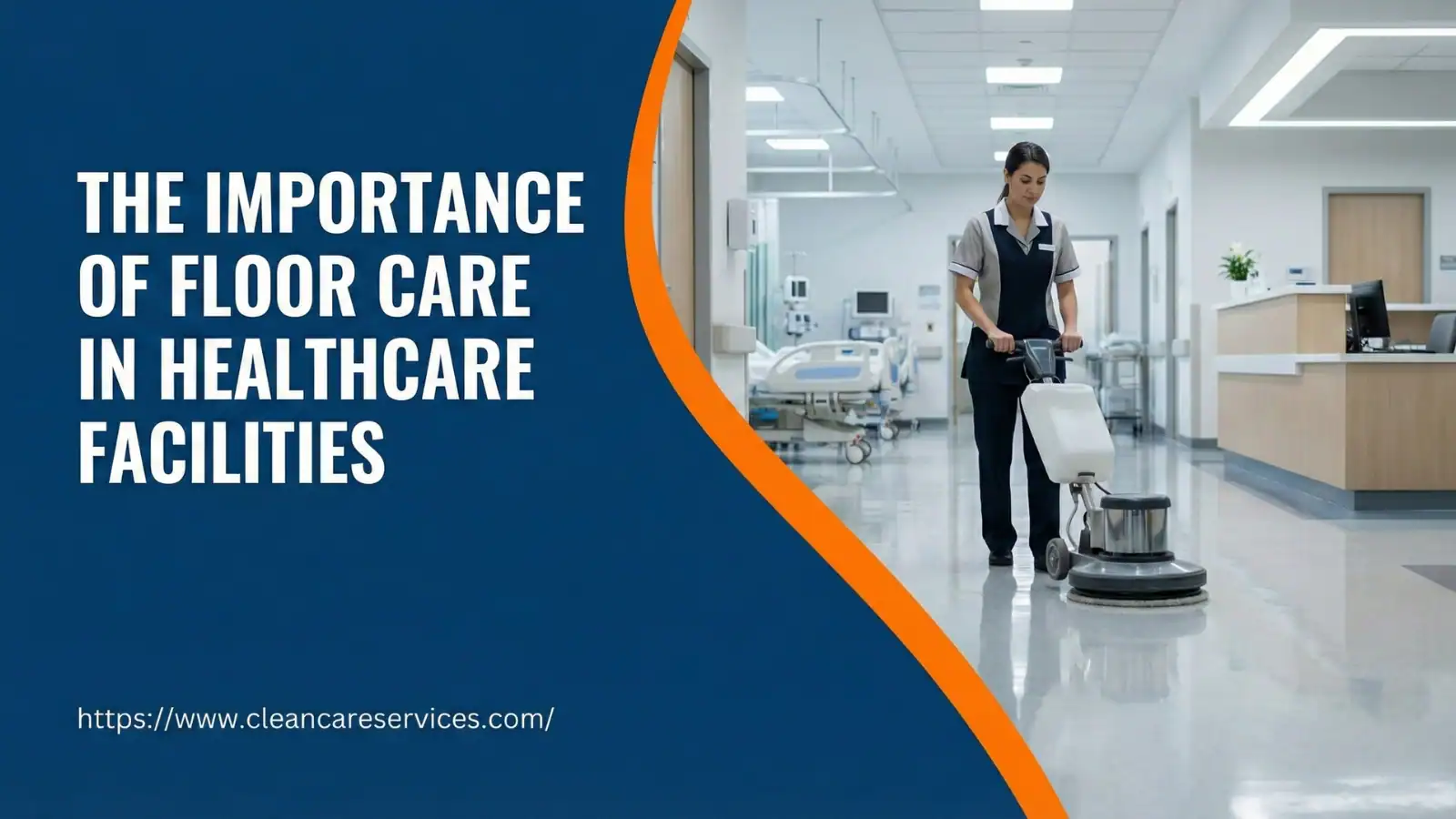
A visitor walking into your healthcare facility, impressed by the cleanliness. Floor cleaning is not only for aesthetic purposes but also an effective part of infection prevention programs. You should emphasize hygienic issues across all surfaces, including floor cleaning.
A spotless, well-maintained floor is not just about looking only. These work as a frog-line defense against infection, signaling your floor’s completeness and care. It makes your patient happy to be in safe hands, as a dirty floor reflects on your negligence.
Therefore, you must strictly maintain cleaning compliance. This should apply to reception rooms, waiting areas, and surgical rooms. A hygienic floor prevents slips, inhibits bacterial growth, and protects your equipment.
Why Floor Care is Important in Healthcare Facilities?
Healthcare institutions such as hospitals, clinics, nursing facilities, and health agencies are high-traffic areas. This is not like supermarket areas, where you just maintain basic sanitization. In healthcare, patients who come to receive treatment can carry germs, infection agents, and viruses. Thus, floor care is important to improve healthcare facilities.
Thus, you should maintain proper cleaning compliance in your reception rooms, waiting areas, and test room floors, high-touch surfaces. A hygienic floor not only looks beautiful but also is vital for infection control, slip protection, and ensures your patient’s safety. Proper cleaning can protect the floor, high-touch areas, testing machine, and equipment.
The 09 Reasons Why Floor Care is Important
The government guidelines from the Centers for Disease Control and Prevention (CDC) and the Environmental Protection Agency (EPA) solely focus on healthcare floor cleaning. Additionally, floor cleaning is a fundamental element in maintaining a safe, hygienic, and efficient environment.

1. Floors Can Spread Infections if Not Properly Maintained
Floor areas are quickly contaminated with multidrug-resistant gram bacteria, causing severe infections like pneumonia and bloodstream infections. According to a study, this bacteria creates a route of transfer of potentially dangerous organisms to your patients. Additionally, floor area is a key factor in the spread of infection in your hospital.
Your medical center floors may have different spots, among them a rust spot. Without sufficient knowledge of using chemicals to remove rust spots, it may cause chemical reactions with iron, water, and air. So, it’s necessary to know how to remove rust from tile floor, avoiding damage to the tile and the risk of infection.
Transmission of bacteria & germ sources is:
- Picking up pathogens that transfer to hands and surfaces.
- Shoes can track pathogens contaminated infections to new areas.
- Release bacteria from the floor to the air or other surface areas.
- Improper mop, carpet cleaning causes the transfer of pathogens.
- Floors are a source of pathogens, staying for a long time even after initial cleaning.
2. Clean Floors Prevent Slip, Trip, and Fall Accidents
Slips, trips, and falls caused injuries with lasting effects and even death. According to Occupational Safety and Health Administration (OSHA) regulations, you should keep healthcare floors and surfaces clean and dry.
To prevent slips, trips, and falls into accidents in the healthcare center, follow the cleaning standard procedures. This includes knowing how to clean old linoleum floors properly, as patients have limited mobility and depend on a stable footing.
Key factors contributing to floor accidents include:
- Contaminants like water, grease, oil, and bodily fluids reduce your floor’s grip.
- Improper cleaning items, like wrong soap, leave slippery, oily films.
- Damage to flooring, loose tiles, torn vinyl, or uneven transition strips trip passers.
- Failing to mark wet areas immediately violates safety protocols.
3. Proper Floor Care Supports Compliance With Healthcare Safety Standards
Healthcare facilities operate under a microscope. Govt. agencies like The Joint Commission (TJC), CDC, and OSHA strictly maintain environmental regulations. Your floor-cleaning plan should be your first priority, as per the regulatory guidance and visitors’ expectations.
A visibly dirty floor signals to your visitor that you’re unaware of cleaning protocol. This can trigger a deeper investigation into your practices. It determines your certification status and ability to receive Medicare compensation.
Thereupon, you should maintain a medical office cleaning checklist to secure your certification and reputation comply with the rules.
Compliance relies on specific floor care protocols:
- Document schedules the author wants to prove your regular stripping, waxing, and sanitizing.
- You must use EPA-approved disinfectants for healthcare cleaning.
- Maintain your floor so that it does not disrupt patients’ health or stir up dust.
- Follow the ADA requirement as if your floor must be stable and slip-resistant for wheelchair accessibility.
4. Well-Maintained Floors Improve Patient Trust and First Impressions
Patient satisfaction increases your medicare reputation. When a family enters a hospital, they feel anxious as they’re looking for signs of competence. A rubbed, or dull, floor signals your clinic is ignorant of cleanliness.
If your lobby floor is dirty, patients assume the rest of your area is a mess. Patients’ sanitization concerns might affect your hospital and decrease Hospital Consumer Assessment of Healthcare Providers and Systems (HCAHPS) scores. This lower score impacts your overall facility reputation and funding.
How floor appearance impacts the patient experience:
- Visual high-gloss clear floor signals expertise and a professional environment.
- Proper cleanliness in the surface areas lowers your patient’s stress level upon immediate entry.
- Patient correlates the facility maintenance perceived quality score with your medical expertise.
- A precise facility attracts effective patient care and advanced treatment services.
5. Regular Maintenance Extends the Life of Expensive Flooring
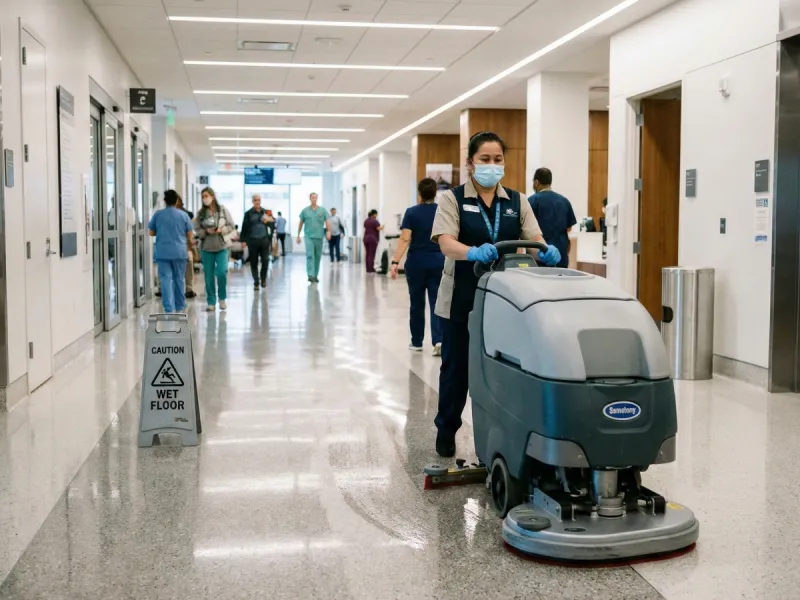
Health service providers’ flooring is a significant capital investment. Facilities often use Vinyl Composition Tile (VCT), sheet vinyl, or terrazzo. These cleaning materials are durable but not reliable.
Dirt, sand, and debris act like sandpaper. Each footstep grinds this grit into the floor’s finish. Eventually, it scratches the permanent, and replacing your floor in a 24/7 facility is a logical nightmare.
Hence, you must know commercial cleaning tips to ensure the structure’s longevity.
Routine maintenance protects this investment by:
- The wax acts like a shield. Your Activity breaks down the coating instead of the floor.
- Protective layers stop liquids and chemicals from causing durable stains.
- High-speed burnishing hardens the finish against scratches.
- Proper care can double the lifespan of your commercial flooring.
6. Specialized Floor Care Helps Control Odors and Improve Air Quality
Your hospital floor is the largest horizontal surface in your building. They collect everything that falls, including dust, pollen, mold spores, and organic waste. In a healthcare setting, this creates a biological hazard for Indoor Air Quality (IAQ).
When your staff walk over the dirty floor, they kick these particles back into the air. This is dangerous for weakened immune systems to your patients or those with respiratory issues. Discontent odors also linger in cellular adhesive lines and corners.
Effective floor care improves the environment through:
- Deep cleaning extracts contamination rather than just moving it around your hospital
- Professional vacuums use HEPA filters to trap 99.97% of airborne particles.
- Scrubbing grout lines stops mold from growing in your damp areas.
- Cleaning away bacteria stops odors completely, rather than just masking them
7. Different Healthcare Areas Require Custom Floor Care Approaches
A standardized cleaning method is used in your healthcare. Surgery rooms need more protective items than a waiting room. Also, your emergency rooms face different challenges than other waiting rooms or reception areas. A well-crafted professional floor care creates a zone-specific plan.
You must adjust chemicals, frequency, and equipment based on risk levels. If you use the wrong method for cleaning a room, it causes cross-contamination. These weak chemicals in a high-trauma area leave pathogens behind.
Custom approaches include:
- Requires hospital-grade disinfections and strict terminal cleaning procedures.
- Needs a sustainable, highly solid floor finish to withstand constant walking.
- Focus on low-noise equipment and hypoallergenic chemicals.
- Demanding the aggressive scrubbing to remove soap scum and body oils.
8. Protective Coatings Enhance Safety and Durability
Systematic floor wax is insufficient for medical environments as hospitals use harsh chemicals daily. Betadine, alcohol, and strong disinfectants strip standard waxes quickly. This leaves your floor from vulnerability to permanent staining and damage.
You need specialized, medical-grade coatings. These advanced finishes resist chemical attacks and create a non-porous surface that repels fluids. Daily mopping plans keep your facility like new.
Benefits of specialized medical coatings:
- A Specialized coating system protects against iodine, blood, and hand sanitizers.
- Anti-static wax prevents electrical shocks that can damage your sensitive machines.
- Eco-friendly finishes keep harmful metals out of your water system.
- Thicker layers provide long-lasting protection against strip-outs.
9. Professional Floor Care Reduces Staff Workload and Errors
Your medical staff is your most valuable resource. Medical staff must focus on outdoor and indoor patient care. Therefore, you can’t expect deep cleaning from nurses or medical assistants; it may distract them from their clinical duties and lower morale.
Furthermore, medical staff or nurses are not trained in industrial floor care. They do not know how to operate a buffer or mix stripping chemicals safely. This led to ineffective cleaning and potential injury.
Therefore, you need professional floor cleaning services to reduce workload and reduce errors.
Outsourcing to professionals helps because:
- Nurses treat patients, cleaners clean, which means everyone should focus on a similar role and expertise.
- Staff are not exhausted by physical labor at the end of a shift.
- Professional cleaners use ergonomic, high-performing equipment.
- A dedicated cleaning professional ensures the job gets done perfectly in any case.
Conclusion
Floor care is more than a janitorial duty. It defines your facility’s character. It protects the vulnerable from infection and satisfies the inspectors.
Do not neglect this foundation, as a clean floor is the first step toward superior healthcare. Choose professional health care today. Your patients deserve the highest level of safety.